Bestrijding van mensenhandel in Europa
Bijna twee miljoen mensen zitten vast in slavernij in Europa - ook in Nederland.
Elk jaar worden in de EU meer dan 7000 slachtoffers van mensenhandel geregistreerd. Alleen al in 2022 bedroeg het aantal geregistreerde slachtoffers 10.093. Maar het werkelijke aantal ligt waarschijnlijk veel hoger omdat veel slachtoffers onopgemerkt blijven. De meeste slachtoffers zijn vrouwen en meisjes.
In 2022 werden in Nederland 814 slachtoffers gemeld bij het Coördinatiecentrum tegen Mensenhandel (Comensha). Ook hier ligt het werkelijke aantal vermoedelijk veel hoger. Naar schatting zijn er jaarlijks zo’n 5.000 slachtoffers van mensenhandel in Nederland.
Door de oorlog in Oekraïne lopen nog eens miljoenen vrouwen en kinderen risico op mensenhandel. Zonder inkomen en woning zijn zij kwetsbaar voor mensenhandelaren die hen valse beloften doen van werk of huisvesting. Mede dankzij donateurs en partners hebben we sinds het begin van de oorlog in Oekraïne duizenden mensen beschermd tegen mensenhandel.
De impact van het Europese programma tegen mensenhandel van IJM tot nu toe:
-
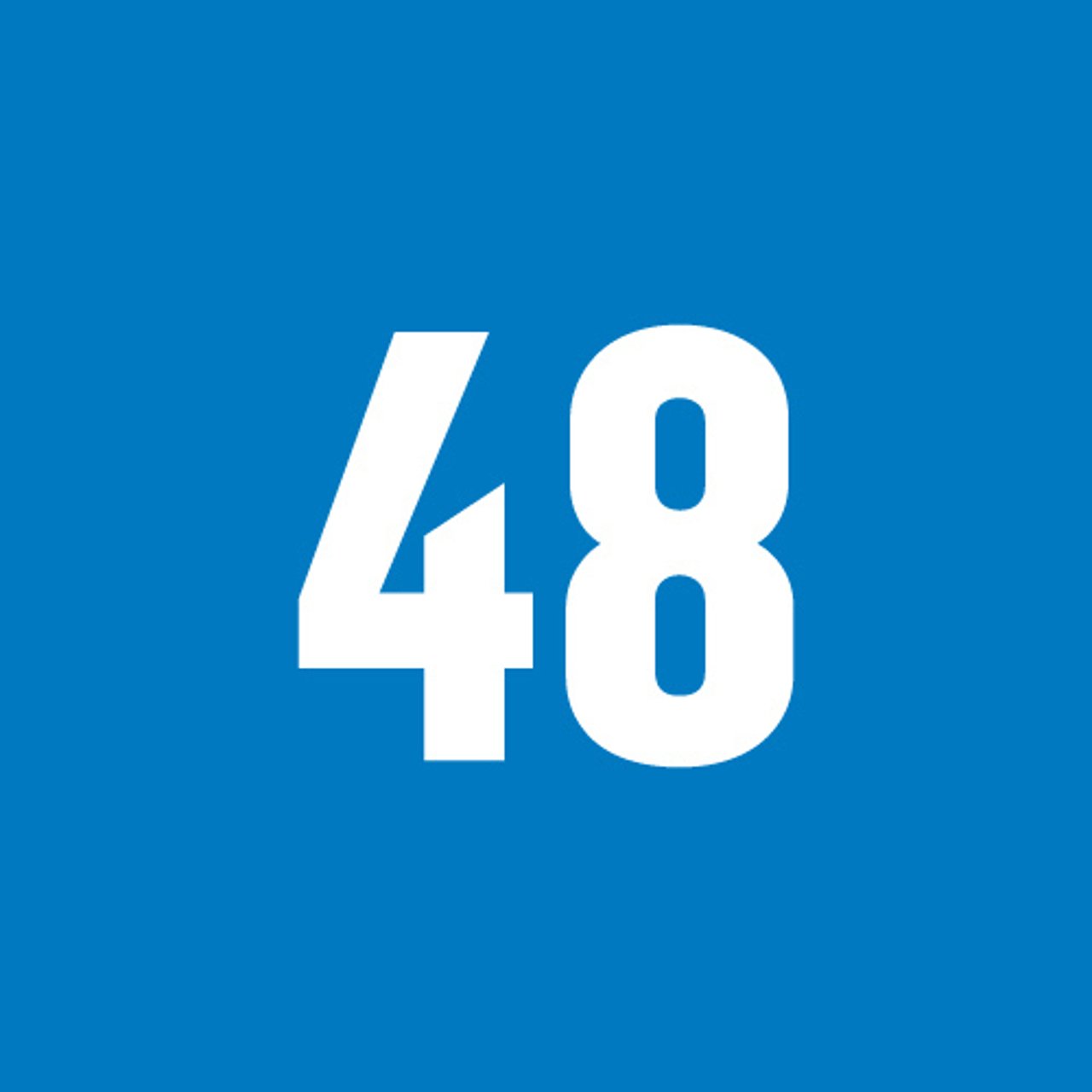
48 mensenhandelaren veroordeeld in Europa met steun van IJM
-
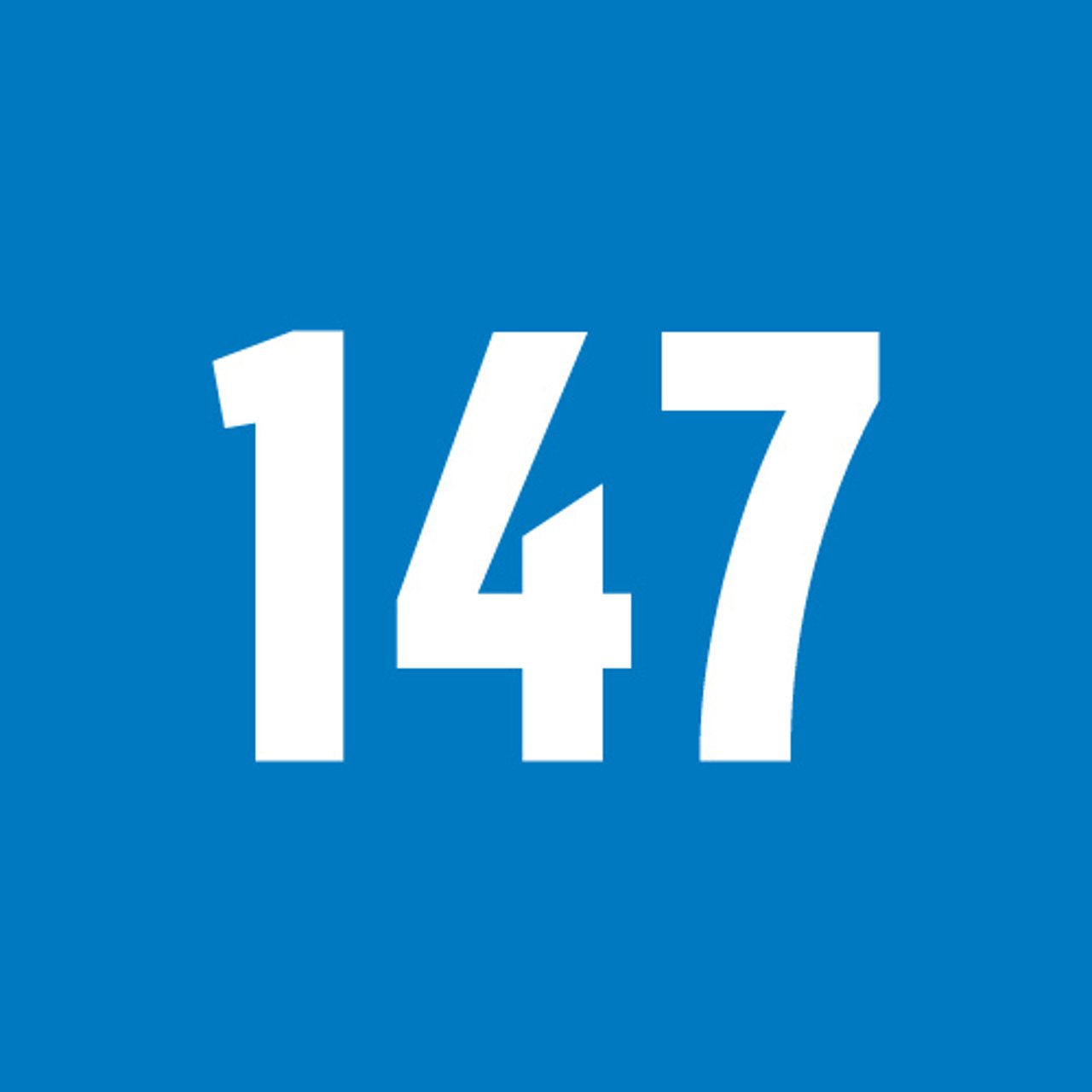
147 survivors van mensenhandel in Europa ondersteund door IJM
Laatste update: Mei 2024
-

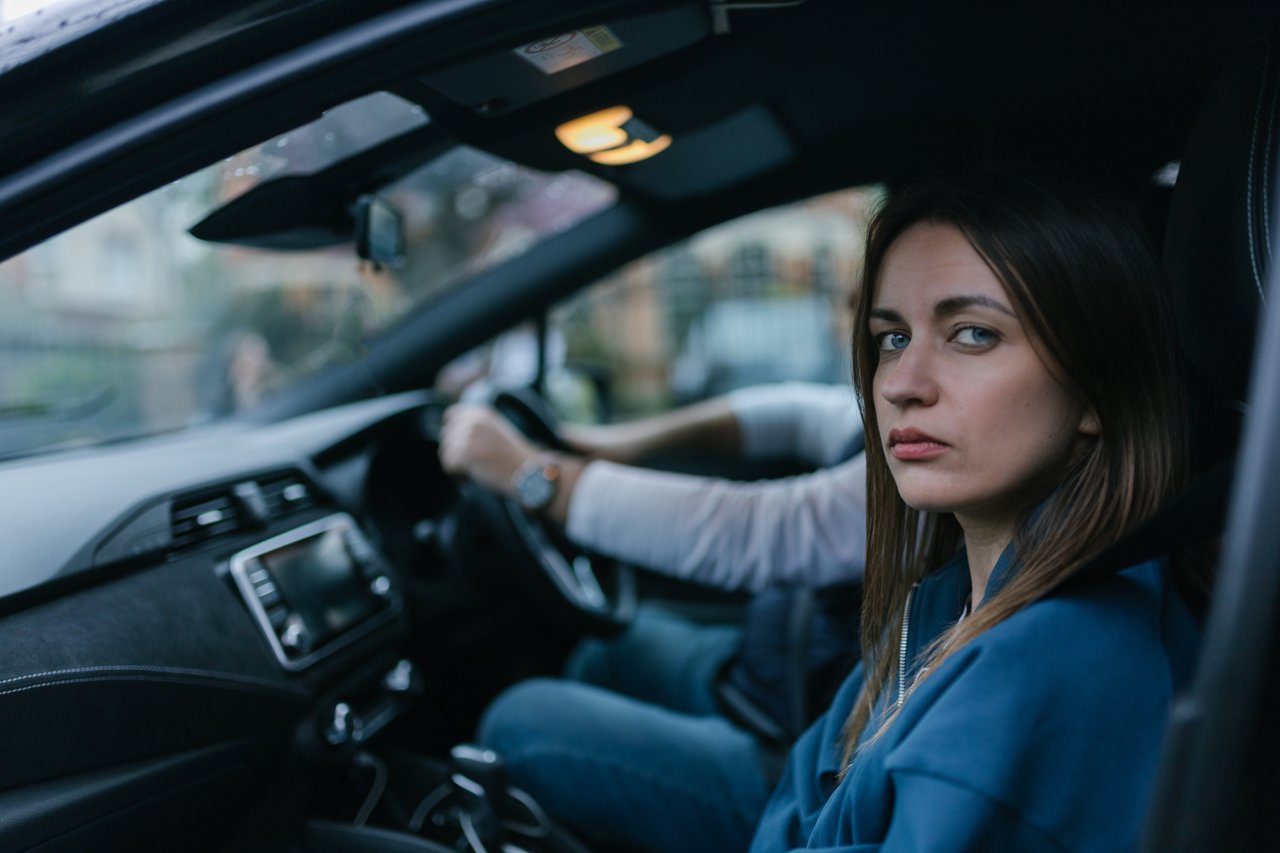
Samara werd vanuit Roemenië naar Londen verhandeld voor seksuele uitbuiting.*
Samara werd slachtoffer van mensenhandel door een man van wie ze dacht dat hij om haar gaf.
Toen ze in het Verenigd Koninkrijk aankwam, werd ze slachtoffer van seksuele uitbuiting. Ze kreeg te maken met ernstig geweld en raakte daardoor zwanger.
"Het was niet alleen afschuwelijk, het was erger dan dat," herinnert Samara zich.
-

Na bijna vijf jaar werd Samara aan haar lot overgelaten en vervangen door jongere vrouwen die als ‘winstgevender’ werden gezien. Ondanks alles vond ze de moed om aangifte te doen tegen de mensenhandelaren. Haar zaak werd vervolgens doorverwezen naar IJM.
Met ondersteuning van IJM getuigde Samara moedig in de rechtszaal. Dat leidde tot de veroordeling van vier mensenhandelaren.
Vandaag werkt Samara aan een nieuwe toekomst. Ze droomt ervan bloemist te worden en is een toegewijde moeder en echtgenote. IJM blijft haar ondersteunen terwijl zij herstelt en haar dromen voor de toekomst nastreeft.
Hoe bestrijdt IJM moderne slavernij en mensenhandel in Europa?
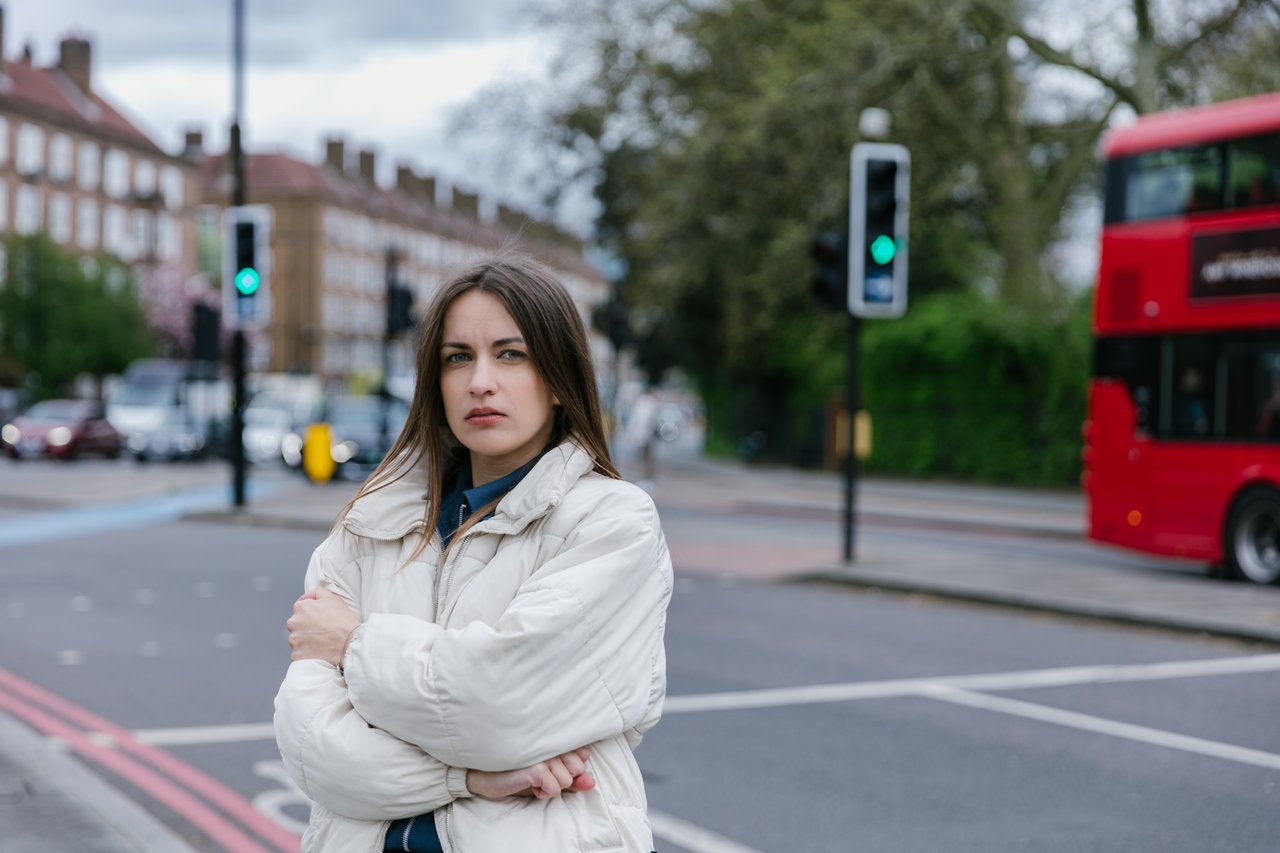
Sinds 2019 helpen we mensen in Europa te beschermen tegen mensenhandel.
We hebben medewerkers in Nederland, het Verenigd Koninkrijk, Roemenië, Bulgarije en Duitsland.
Samen met lokale autoriteiten en andere partners, en dankzij de steun van mensen zoals jij, ondersteunen we survivors in hun herstel met traumasensitieve zorg, brengen we mensenhandelaren voor de rechter en helpen we rechtssystemen te versterken. Zo voorkomen we dat mensen überhaupt slachtoffer worden van uitbuiting en mensenhandel.
“Dankzij de geweldige steun van IJM konden we survivors op allerlei manieren ondersteunen: van traumabegeleiding en maatschappelijke hulp tot huisvesting en training in praktische vaardigheden.”
– Rechercheur Lore Hancock, Specialist Crime Command van de Metropolitan Police in Londen
FAQs
Wat zijn de tekenen van moderne slavernij? 
Bij het bepalen of iemand mogelijk slachtoffer is van moderne slavernij en/of mensenhandel, kunnen de volgende signalen een aanwijzing zijn:
- De persoon kan niet vrij komen en gaan wanneer hij of zij dat wil.
- De persoon is jonger dan 18 jaar en verricht seksuele handelingen tegen betaling.
- De persoon ontvangt geen loon, zeer weinig loon of wordt uitsluitend betaald via fooien.
- De persoon werkt uitzonderlijk lange of ongebruikelijke uren, met weinig rustmomenten.
- De persoon wordt van en naar het werk vervoerd door anderen.
- De persoon heeft een grote schuld die hij of zij niet kan aflossen.
- De persoon is geworven met valse beloften over de aard of omstandigheden van het werk.
- Op de werk- of woonlocatie zijn opvallende beveiligingsmaatregelen aanwezig.
- De persoon komt angstig, nerveus, onderdanig of achterdochtig over en vermijdt oogcontact.
- De persoon vertoont opvallend angstig gedrag, vooral in de aanwezigheid van autoriteiten.
- De persoon lijkt in slechte lichamelijke gezondheid te verkeren, bijvoorbeeld door ondervoeding of signalen van lichamelijk of seksueel geweld.
- De persoon heeft weinig of geen persoonlijke bezittingen.
- De persoon heeft geen controle over eigen geld of identiteitsdocumenten.
- De persoon mag niet voor zichzelf spreken of is daar niet toe in staat.
- De persoon lijkt niet goed te weten waar hij of zij zich bevindt of woont.
- De persoon lijkt het besef van tijd kwijt te zijn.
- Er zitten opvallende tegenstrijdigheden in het verhaal van de persoon.
Belangrijk: Eén van deze signalen op zichzelf betekent niet automatisch dat sprake is van mensenhandel of moderne slavernij. Meerdere signalen samen kunnen wel aanleiding geven om nader onderzoek te doen of hulp in te schakelen.
Hoe ziet mensenhandel eruit in Europa? 
Mensenhandel is een misdrijf dat zich zowel binnen Europa als over landsgrenzen heen afspeelt. Het is een vorm van criminaliteit die vaak verborgen blijft, terwijl ze zich vlak voor onze ogen afspeelt.
Mensenhandel is het werven, vervoeren, overbrengen, huisvesten of ontvangen van mensen door middel van dwang, misleiding of manipulatie, met als doel hen uit te buiten voor financieel gewin. Bij mensenhandel zijn meestal meerdere partijen betrokken: naast het slachtoffer en de dader is er vaak ook een tussenpersoon, zoals een recruiter.
De werkelijkheid van mensenhandel ziet er vaak anders uit dan wat films en televisieseries laten zien. Slachtoffers zitten meestal niet vastgeketend of geboeid. Mensenhandelaren maken juist misbruik van de hoop op een betere toekomst of van de behoefte aan veiligheid, werk, inkomen of ondersteuning.
Europa is zowel een herkomst-, doorvoer- als bestemmingsregio voor mensenhandel. Kwetsbare mensen worden uitgebuit in onder meer gedwongen arbeid en seksuele uitbuiting.
In Europa kunnen mensenhandelaren nog te vaak winst maken ten koste van mensenlevens zonder dat zij daarvoor ter verantwoording worden geroepen. Politie- en justitiediensten in verschillende landen staan voor de uitdaging om effectief samen te werken bij de bestrijding van grensoverschrijdende mensenhandel.
Daardoor worden veel mensen slachtoffer van een versnipperde aanpak binnen het strafrechtsysteem. Hier maakt IJM het verschil. Door samen te werken met politie, overheden en andere partners bouwen we aan een gezamenlijke Europese aanpak van mensenhandel, over landsgrenzen heen. Zo versterken we rechtssystemen, brengen we mensen in veiligheid en helpen we voorkomen dat kwetsbare mensen slachtoffer worden van uitbuiting.
Wat doet IJM in Europa? 
Het Europese programma tegen mensenhandel van IJM, dat in 2019 in Roemenië van start ging, heeft als doel een gezamenlijke en grensoverschrijdende aanpak van mensenhandel in Europa op te bouwen.
Het langetermijndoel van het programma is om 12 miljoen mensen in Europa die risico lopen slachtoffer te worden van mensenhandel beter te beschermen.
Sinds de start van het Europese programma tegen mensenhandel hebben we meer dan 390 politieagenten, arbeidsinspecteurs en andere professionals getraind in het herkennen en aanpakken van mensenhandel. Daarnaast hebben meer dan 90 slachtoffers van mensenhandel ondersteuning ontvangen van IJM en haar partners, en zijn 20 mensenhandelaren veroordeeld.
Hoe heeft IJM gereageerd op de crisis in Oekraïne? 
Sinds het uitbreken van de oorlog in Oekraïne in februari 2022 hebben we meer dan 5.000 gespecialiseerde ondersteuningsdiensten verleend aan vluchtelingen die anders kwetsbaar zouden kunnen zijn voor uitbuiting.
Van het regelen van tijdelijke huisvesting en veilig vervoer voor gezinnen tot het ondersteunen van vrouwen die zijn benaderd met verdachte aanbiedingen voor werk of onderdak: we hebben ons ingezet om mensenhandel te voorkomen en kwetsbare mensen te beschermen.
Meer dan een jaar later lopen vluchtelingen nog steeds risico terwijl zij op zoek zijn naar langdurige huisvesting en werk. Dankzij de steun van mensen zoals jij kunnen we ook nu en in de komende maanden mensen blijven beschermen.
Wat is mensenhandel voor seksuele uitbuiting? 
Mensenhandel voor seksuele uitbuiting is een vorm van moderne slavernij waarbij iemand een ander door misleiding, dwang of manipulatie uitbuit voor commerciële seksuele doeleinden en daar geld aan verdient.
Wat is gedwongen arbeid? 
Mensenhandel voor gedwongen arbeid is een vorm van moderne slavernij waarbij iemand door misleiding, bedreiging of geweld wordt gedwongen te werken voor weinig of geen loon.
Vermoedt u dat iemand slachtoffer is van mensenhandel of uitbuiting?
Neem contact op met Comensha, het landelijke coördinatiecentrum tegen mensenhandel, via 085 112 0600 (maandag t/m vrijdag, 09.00-17.00 uur). Bij direct gevaar belt u 112.
pseudoniem
[1] GRETA (Group of Experts on Action against Trafficking in Human Beings), 2019